
It's not about fentanyl.
But let's talk about fentanyl.

I was a drinker. Sometimes I’d dabble with uppers (as a way to stay awake and drink more), but not much. Alcohol was my preferred numbing agent. This week, however, I was compelled to write about a different substance: fentanyl. The highly addictive drug has been dominating news headlines, and for all the wrong reasons. It’s making me angry… livid.
First things first: A man who suggests the displacement of millions of traumatized Palestinians in favour of a waterfront real estate opportunity, or what he’s referred to as the “Riviera of the Middle East”, does not give two shits about people on the streets of Portland, Phoenix, or Seattle, who are in the depths of addiction. This is a cruel administration. They don’t care. As each day goes by, this is increasingly obvious.
The tariff threats—that incited global panic and rocked the worldwide economy, impacting people’s personal lives and mental health—are not out of concern for marginalized populations, or opioid overdoses, or the toxic drug supply. NO, these negotiations bully tactics are about power, greed, and intimidation. A friend described it as “political theatre”; my mother called it a “game of cat and mouse.” It is both.
I can understand why they chose fentanyl to justify this chaos; most of us either know someone whose life has been upended by this substance, or we’ve lost someone to it. It casts a big shadow (making it an ideal issue to conceal a hidden agenda).
In my“Gen-X Women Are Sick of Your Shit” Facebook group, I watched the most heartbreaking thread unfold one day: mothers sharing photos of their children (teens and adults) who died by overdose, many of which cited fentanyl as the cause of death. It was a thread that seemed to go on forever. Tampa, Philadelphia, Vancouver, Kansas City, Fort Worth, Edmonton, El Paso, Milwaukee, Pittsburgh, LA, Toronto, Yellowknife—the heartbreak is everywhere.
“In Canada and the United States, more than 120,000 people now die annually [of overdose}, twice the toll in 2015. In the global epicentre, the Canadian province of British Columbia, this corresponds to 7-8 deaths each day” (Leyton & Krausz, pg. 79, 2024). It’s an epidemic of horrific proportions.

So what is fentanyl, exactly? Disclaimer: I’m not a doctor, or a scientist, or an expert, but I have studied fentanyl in my Addictions: Treatment and Prevention post-grad program, and I have talked to people who were addicted to fentanyl, and found recovery. So I will share what I know, because knowledge helps, but if you’re curious to go deeper, I encourage you to do your own research, and I’ve posted a whack of resources below.
*Before we go any further, I’d like to share that this is a far denser/info-heavy piece than I pictured doing for this week’s newsletter (or the second to date). Moving forward, I imagine things will be more personal, but everything felt relevant and timely… I’m experimenting… and maybe some of you are curious to learn more about fentanyl?? About different substances? I’d love to know what you’re interested to explore. Feel free to drop a comment below, or send me a message. I value your feedback.
What is fentanyl? Why is it so addictive?
Fentanyl is a highly addictive and potent synthetic (created in a lab) opioid drug with analgesic (pain relief) and anesthetic (loss of sensation) properties; it is 50x stronger than heroin, and up to 100x stronger than morphine. (Abate et al., 2022; CAMH, 2017; Svoboda, 2024). Fentanyl was first created in 1960 and used in preoperative analgesia, anesthesia induction during surgery, and post-operative pain management (Stanley, 2014). It’s still used for that. An opioid agonist, fentanyl crosses the blood-brain barrier rapidly, and binds to the brain’s mu-opioid receptors, blocking pain signals and triggering a powerful release of dopamine. It depresses both the nervous system, and the respiratory system.
Since the 1990’s, fentanyl has been widely prescribed to treat chronic pain in cancer patients, as well as patients suffering acute pain for a variety of different reasons. In its prescription form, fentanyl is known as Actiq®, Duragesic®, and Sublimaze®, (National Institute on Drug Abuse, 2021). It’s a common prescription: just last month I picked some up at Shoppers for a friend who was recovering from surgery. As someone with addiction issues, it felt weird to hold in my hand. I had to show my ID, but it took all of 2 minutes to get. It freaked me out a bit.
While fentanyl has long been a substitute for heroin, it has became a more common street drug at the onset of the opioid crisis (late nineties), and demand has surged in the past 10-15 years (Svoboda, 2014), and is (of course) connected to the evil Sackler family.
The connection to OxyContin:
Fentanyl’s prevalence is directly related to the rise and fall of oxycontin: when overprescription of oxycontin came to light, oxycontin became less accessible. At the same time, people who were addicted to opioids had developed a higher tolerance and sought out more potent drugs like fentanyl to manage excruciating withdrawal symptoms. Cheap to produce, and with a stronger and quicker “high”, fentanyl flooded the market.


Cheap to produce, and with a stronger and quicker “high”, fentanyl flooded the market.
In Canada, street sales of fentanyl are from illegal drug labs, stolen, or sold by people who have been prescribed the drug for pain (CAMH, 2017). Fentanyl is sold as a pill or powder, ingested by swallowing, smoking, snorting or intravenously. As it’s odourless, tasteless, and cheap to produce, fentanyl is often cut into other drugs, like cocaine. Without fentanyl test strips, it is nearly impossible to detect whether a drug contains fentanyl, which has added tremendous overdose risk to the illicit drug market. The deadly combination of fentanyl and benzodiazepines, or what’s known as Benzo Dope or Tranq, has also penetrated Canada’s drug supply, catering to substance users who are seeking an even deeper level of sedation, or more powerful “high” (Krishnan, 2022). This extremely sad and powerful VICE documentary dives deep into the world of BC’s Benzo Dope hellscape.
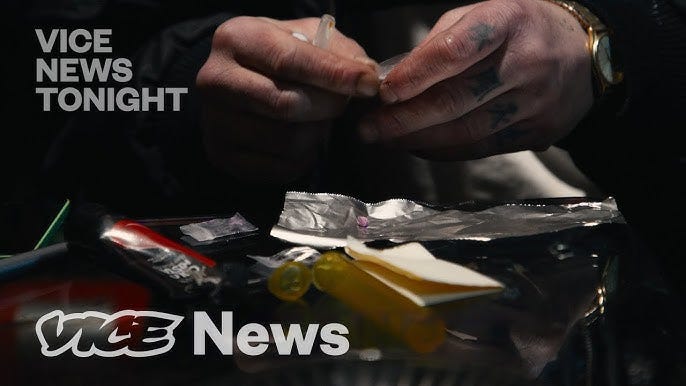
As it’s odourless, tasteless, and cheap to produce, fentanyl is often cut into other drugs, like cocaine. Without fentanyl test strips, it is nearly impossible to detect whether a drug contains fentanyl, which has added tremendous overdose risk to the illicit drug market.
What happens when someone consumes fentanyl?
Fentanyl crosses the blood-brain barrier within five minutes, and has a half life of 3-7 hours, or the time it takes for the concentration of the drug in your blood plasma to decrease by half. Short term physiological effects of fentanyl include confusion, drowsiness, sedation, slowed breathing, nausea, vomiting, constipation, sweating, and constricted pupils (CAMH, 2017; Carlos et al., 2023; National Institute on Drug Abuse, 2021). Short-term psychological effects include a powerful state of euphoria, relaxation, or intense feelings of perceived happiness. People who have taken fentanyl will often be slumped over, nodding, or appear to be out of it, passed out, or sleeping. Some of the long term physiological effects of fentanyl include weight loss, constipation, sexual difficulties, and irregular menstrual cycles. Long term psychological effects of fentanyl include suicidal thoughts, and impulsive behaviour (Health Canada, 2024).
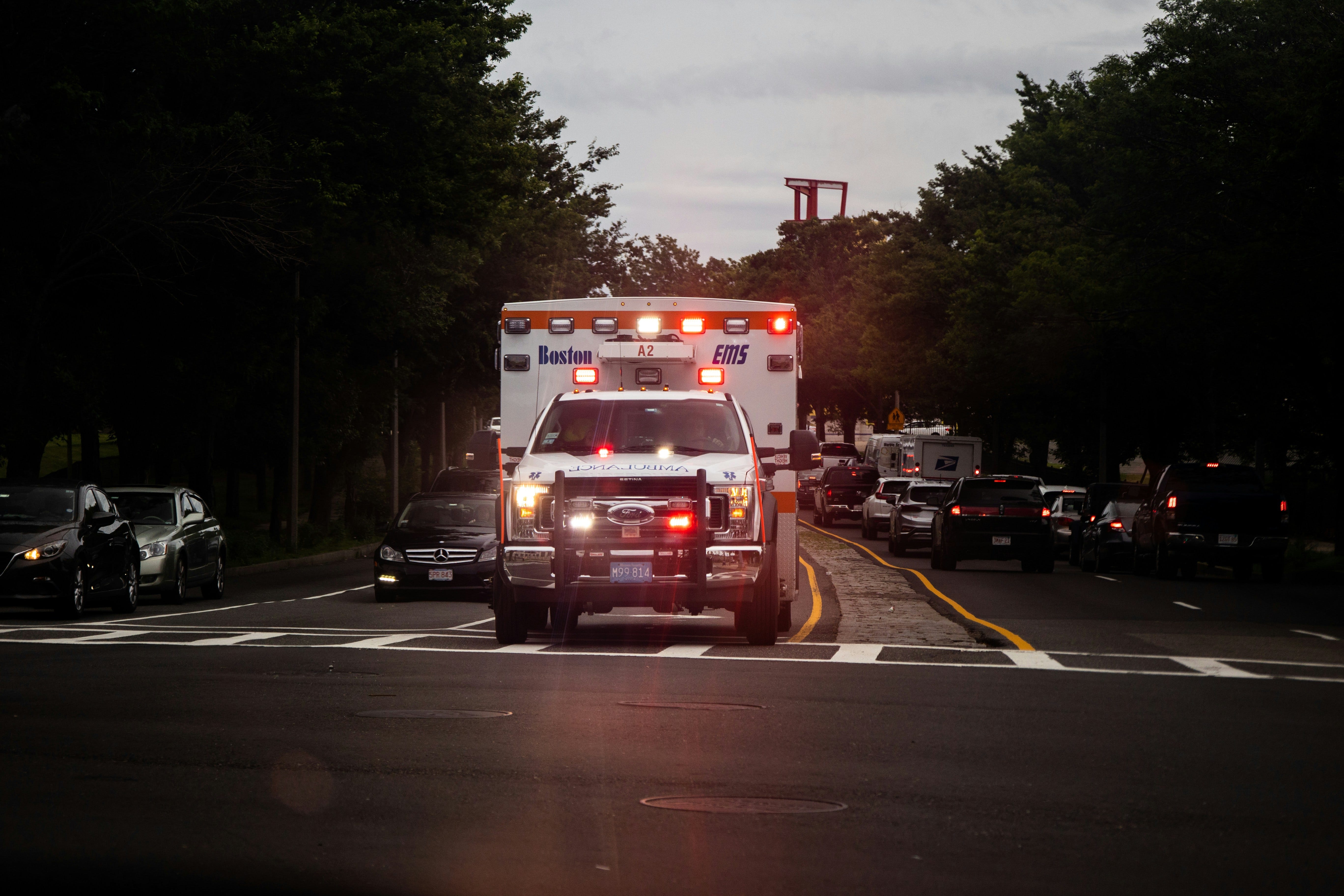
Signs of Overdose
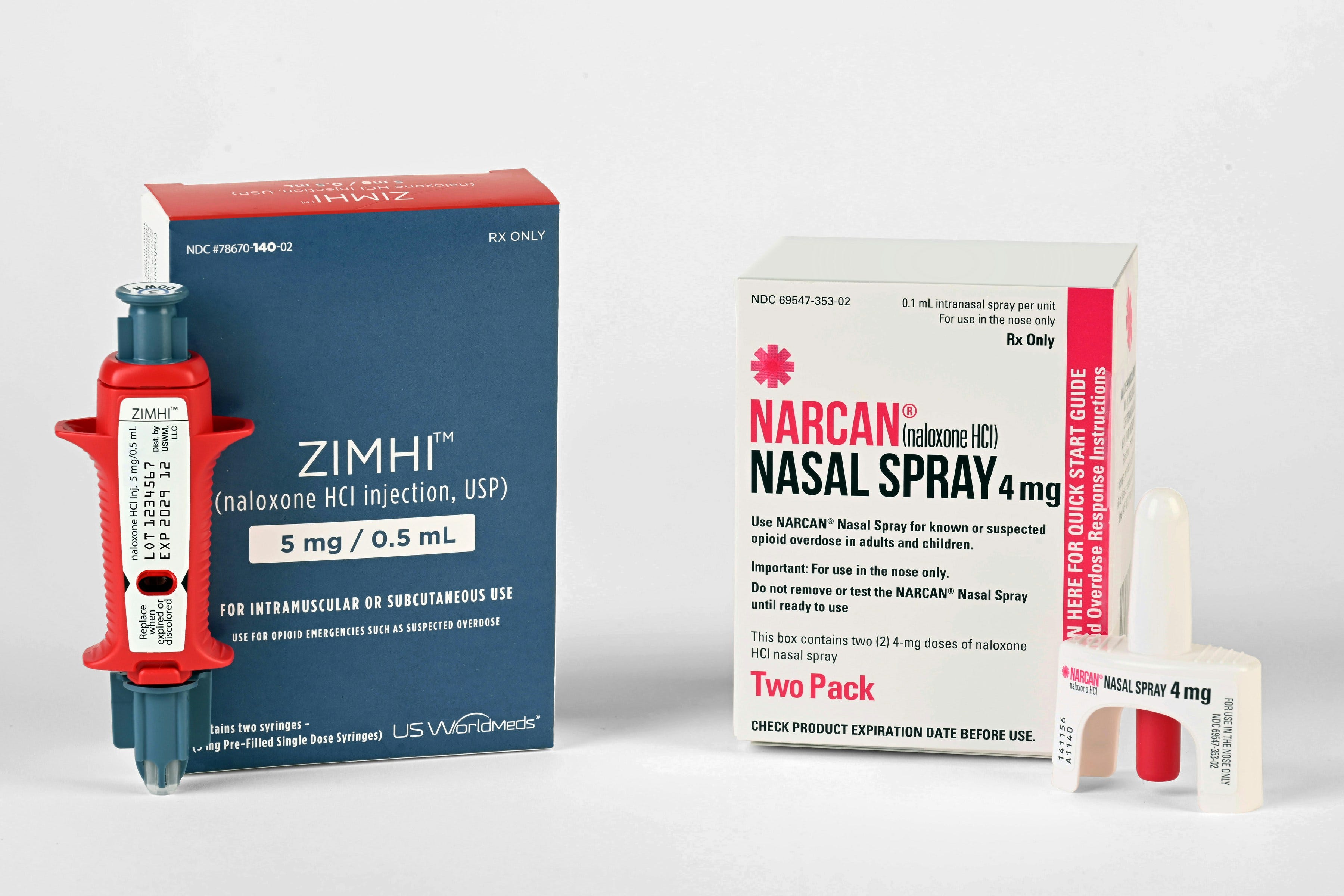
Signs of overdose include an inability to wake up, limp body, clammy skin, weakened or slow pulse. Fentanyl users with light skin may have blue lips and fingertips, and people with darker skin may have blue lips on the inside of their mouth. Naloxone can quickly reverse the effects of fentanyl, restore breathing, lessen the impact of an overdose, and buy time before EMS has arrived (CAMH, 2017). Kits are available at pharmacies across Ontario, and the Ontario government has a site where people can plug in their postal code to find where the nearest free kit can be acquired.
We have two kits in our bathroom closet, but I should probably put one in my knapsack, because Orillia (where I attend school), definitely has its own distinct fentanyl crisis, as does Wasaga Beach (which I pass en route). This past November, the Orillia OPP seized the largest amount of fentanyl in Simcoe County to date.
Trauma, Pain, and Addiction
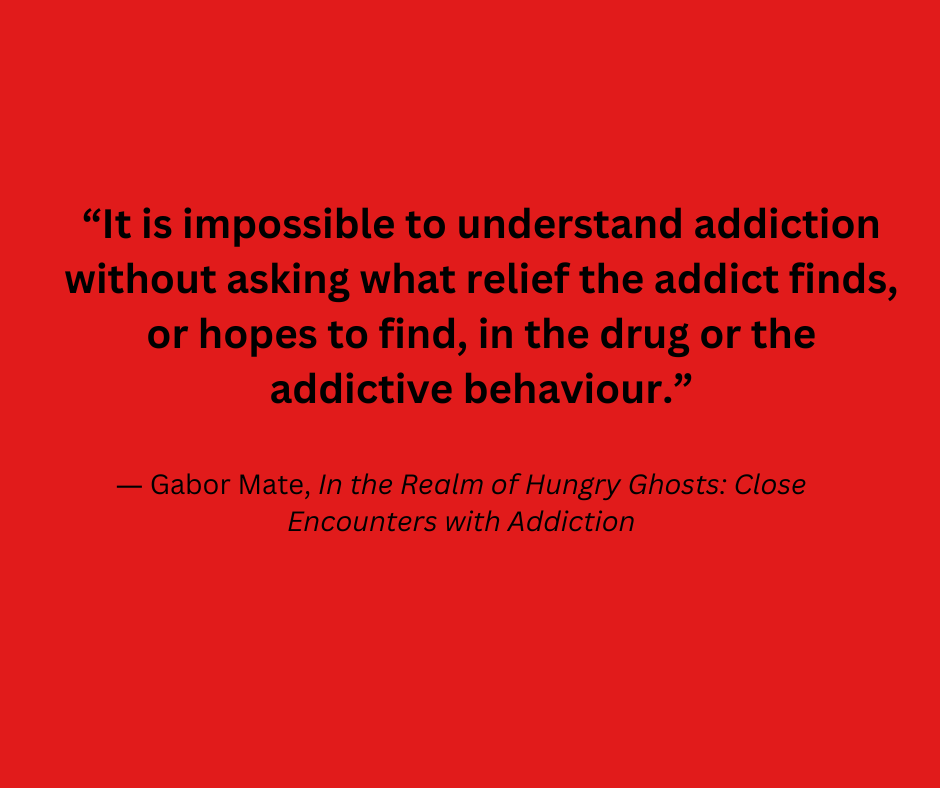
Fentanyl and other opioids are often categorized as “recreational drugs”, but this description doesn’t correlate with the vast majority of case studies. The word recreational is associated with fun, or doing something for pleasure and enjoyment, but when it comes to fentanyl, those in the depths of addiction explain their usage as a way to help manage extreme and complex pain. Or as Leyton & Krausz (2024) succinctly put it: “Emotional pain can be analogous to physical pain. Opioids can soothe both” (p. 77).
Trauma is layered and complex. In many scenarios, people are dealing with devastating childhood trauma (neglect, abuse), as well as trauma inflicted upon them by their addiction (homelessness, sexual assault, extreme isolation, and watching loved ones overdose and die). Considering the extreme psychological and physical turmoil that many opioid-addicted users live with, it’s prudent to consider the opioid addiction as a means to survival, or as Leyton & Krausz (2024) write: “some people might well conclude that opioids offer the most realistic chance for periodic peace”. (p. 77). This is not to say that abstinence is unattainable, but harm reduction combined with trauma-informed care may be a more accessible and ethical approach to treatment.
Trauma is layered and complex. In many scenarios, people are dealing with devastating childhood trauma (neglect, abuse), as well as trauma inflicted upon them by their addiction (homelessness, sexual assault, extreme isolation, and watching loved ones overdose and die).
Fentanyl in Canada
Despite a growing awareness on the devastating impacts of fentanyl, it remains the most dominant opioid in British Columbia’s street supply (Norton et al., 2024). While fentanyl-related deaths in Vancouver’s Downtown Eastside dominate headlines, the crisis pervades in both rural areas and urban centres across the country. Between January and March of 2024, there have been 1906 deaths with apparent opioid toxicity in Canada, and 81% involved fentanyl, which is a 42% increase since 2016 (Canada Health Infobase, 2024). In Toronto, between 2019 and 2023, fentanyl was “the highest direct contributor to accidental opioid toxicity death… with a peak of 94% in 2021” (Toronto Public Health, 2024). The number dipped in 2023 to 86%, but the death toll remains staggering, and will likely worsen as safe consumption sites shutter.

The Fentanyl Crisis Needs Compassion
The fentanyl crisis needs compassion and understanding more than helicopter surveillance. If there’s a demand for a substance that numbs pain, then fentanyl—or some other cheap painkiller—will find a way into our communities, and streets. Billions of dollars are being allocated to border patrol, but what we need to be doing is examining the pain in our society, the loneliness, the isolation…. and create spaces where there is empathy, compassion, and non-judgemental care…. spaces that foster a sense of belonging, and inspire hope.
A government that thrives on divisiveness and cruelty, that actively tells people you don’t belong, will only exacerbate this crisis, and the death toll will mount. Maybe they know this.
Fentanyl addiction, and fentanyl in North America’s illegal drug supply, is a big, scary, heartbreaking crisis. But this isn’t about fentanyl.
xo
Jen
References
Canadian Centre on Substance Use and Addiction. (2020, July). Canadian Drug Summary: Prescription Opioids. Canadian Centre on Substance Use and Addiction. CCSA.ca. https://www.ccsa.ca/sites/default/files/2022-11/CCSA-Canadian-Drug-Summary--Opioids-2022-en.pdf
Carlos F. Ramos-Matos; Karlyle G. Bistas; Wilfredo Lopez-Ojeda. (2023, May 29). Fentanyl. National Library of Medicine: National Center of Biotechnology Information. https://www.ncbi.nlm.nih.gov/books/NBK459275/#:~:text=Fentanyl%20is%20hepatically%20metabolized%20via,of%203%20to%207%20hours.
Federal, provincial, and territorial Special Advisory Committee on Toxic Drug Poisonings. (Sept, 2024). Opioid- and Stimulant-related Harms in Canada. Ottawa: Public Health Agency of Canada. https://health-infobase.canada.ca/substance-related-harms/opioids-stimulants/
Health Canada. (2024, April 22). Fentanyl. Government of Canada. Canada.ca. https://www.canada.ca/en/health-canada/services/substance-use/controlled-illegal-drugs/fentanyl.html
Krishnan, M. (2022, May 19). 17 and hooked on Benzo Dope. VICE News. Vice.com. https://www.vice.com/en/article/benzo-dope-addiction-teens/
Leyton, M., & Krausz, R. M. (2024). Ending the overdose epidemic by ending the war on drug users: Can this work? Journal of Psychiatry & Neuroscience, 49(1), E77–E80. https://doi.org/10.1503/jpn.240003
National Institute on Drug Abuse. (June 2021). Fentanyl Drug Facts. https://nida.nih.gov/publications/drugfacts/fentanyl
Norton, A. (2024). A qualitative evaluation of a fentanyl patch safer supply program in Vancouver, Canada. International Journal of Drug Policy., 131, 104547.
Stanley, T. (2014, December). The Fentanyl Story. The Journal of Pain, (15)12,1215-1226. American Pain Society. https://www.jpain.org/article/S1526-5900(14)00905-5/pdf
Svoboda, E. (2024, June 14). The Opioid Crisis Is Not over. Discover. https://www.discovermagazine.com/health/the-opioid-crisis-is-not-over
Toronto Public Health. (2024, Oct 8). Annual Summary of Opioid Toxicity Deaths in Toronto. https://www.toronto.ca/wp-content/uploads/2020/12/8d4b-TOIS-Coroner-Data_Final.pdfT
World Health Organization. (2009). Clinical Guidelines for Withdrawal Management and Treatment of Drug Dependence in Closed Setting. https://www.ncbi.nlm.nih.gov/books/NBK310652/
No, it's not about fentanyl or helping people with addictions and it is cruel. We don't even need to look to the other side of the border -- our own premier is banning safe-injection sides. I read somewhere, can't recall where, but on the average one site like that saves almost 500 overdoses. But according to Doug Ford, these places are a failed experiment, and they are dangerous and upset nice neighbourhoods and the children. There is one still in my neighbourhood where my child -- and other children -- live and I would much rather the site stayed rather than have my child -- and other children -- start seeing ambulances and body bags up and down on Queen St. Which they will.
Jen this is so well written and comprehensive. Your addictions program is lucky to have you as are the people who you will help get to the other side. Thanks for sharing and I am looking forward to the next one. In NS, the drug problem is handled by the limitation of life changing chronic pain management. When I moved here, suddenly doctors wouldn’t give me medication to help manage my migraines (in Ontario, I was easily prescribed oxy which I was careful to manage well). When I left the hospital after my 3-day labour and a tear up to my asshole, I was told to take Tylenol. Restriction isn’t the best course of action for people who need these medications. But rather education, awareness and support for those living with trauma and needing to soothe and medicate. I agree with safe injection sites and what Jowita has said. I don’t think people realize how close they are to dependency and how easily it can happen.